
Understanding the impact of World Suicide Prevention Day
Every September 10, World Suicide Prevention Day (WSPD) brings essential conversations about mental health and suicide awareness to the forefront. But for Gen Z and millennials—who live in a fast-moving, digital-first world—this day is only the beginning. The follow-up actions, community engagement, and cultural shifts following WSPD are what sustain real change. In this article, we explore how social media creators, culture enthusiasts, and young audiences can stay connected with the ongoing movement, ensure the message stays relevant, and continue spreading awareness in authentic and viral ways.
Why follow-up matters: Keeping the momentum alive

World Suicide Prevention Day shines a spotlight on a vital issue once a year, but the ripple effect depends on what happens next. Conversations about mental health often fade quickly unless they’re integrated into daily life, communities, and online spaces. Follow-up efforts:
- Encourage sustained awareness: By sharing stories, resources, and support beyond the day itself, creators keep the conversation alive and destigmatize mental health challenges.
- Drive cultural change: Follow-up initiatives influence how we view vulnerability, normalize seeking help, and transform attitudes around mental health in youth culture.
- Build online and offline communities: Real engagement means creating safe digital spaces for sharing and listening.
The key is authenticity—young audiences spot performative activism easily, so genuine care and thoughtful content matter most.
How social media creators are shaping the narrative
For Gen Z and millennials glued to platforms like TikTok, Instagram, and Twitter, social media creators play a huge role in normalizing mental health discussions. Post-WSPD, creators are:
- Sharing personal stories to reduce stigma.
- Highlighting resources like crisis hotlines and counseling options.
- Launching challenges that encourage empathy and peer support.
These creators translate serious topics into relatable content that can go viral—sparking conversations that offline campaigns sometimes can’t reach.
For example, campaigns like Befrienders Worldwide emphasize the power of peer connection online, showcasing how a kind comment or check-in could save lives.
Data on engagement during and after WSPD
| Year | Social media mentions (millions) | Hashtag use #WSPD (millions) | New mental health groups formed |
|---|---|---|---|
| 2021 | 15 | 6 | 120 |
| 2022 | 18 | 8 | 145 |
| 2023 | 22 | 12 | 190 |
Culture shifts: From silence to open dialogue
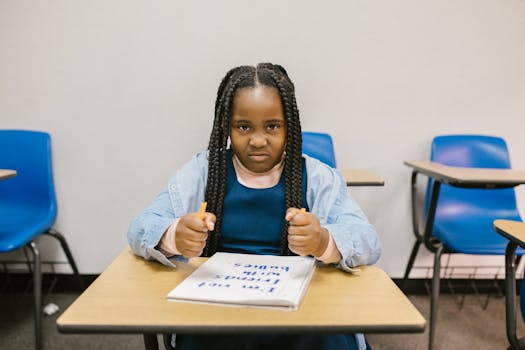
The follow-up to WSPD is also about shifting cultural norms, particularly in environments where discussing mental health was once taboo. Young people today demand transparency, inclusivity, and compassion in conversations about wellbeing. This shift has been accelerated by:
- Media representation: Films, TV shows, and music increasingly depict mental health struggles honestly.
- Workplace and school policies: Many institutions are incorporating mental health days and resources.
- Intersectionality focus: Recognizing how factors like race, gender, and socio-economic status affect mental health experiences.
These developments encourage Gen Z and millennials not just to talk, but to demand systemic change and to be advocates in their communities.
Ways to get involved beyond just one day
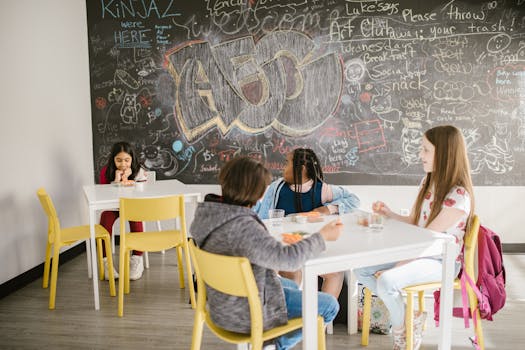
World Suicide Prevention Day can be a catalyst, but ongoing engagement is vital. Here are practical ways young people and creators can stay involved:
- Educate yourself and others: Share accessible mental health info and resources regularly.
- Create and join supportive spaces: Use social platforms to form groups centered on kindness and understanding.
- Partner with organizations: Collaborate with nonprofits to amplify their impact.
- Use your voice: Openly discuss mental health in your content, normalizing vulnerability.
Learn more and find ways to help at the International Association for Suicide Prevention (IASP).
Final thoughts: Keeping suicide prevention part of our culture everyday
World Suicide Prevention Day is far more than a date—it’s a call to action that must extend far beyond 24 hours. For Gen Z, millennials, and social media creators, embracing follow-up means weaving mental health awareness into the fabric of everyday culture. Authenticity, ongoing conversation, and community-building are essential to breaking down stigma and saving lives. The rise in engagement and resource sharing year over year proves that digital natives are ready to lead this change.
So whether you’re sharing a TikTok story, hosting an Instagram live, or simply checking in with friends, remember that you are part of a powerful movement driving real, lasting impact.
“Suicide prevention doesn’t start and end on one day, it’s a daily commitment to compassion, connection, and courage.”