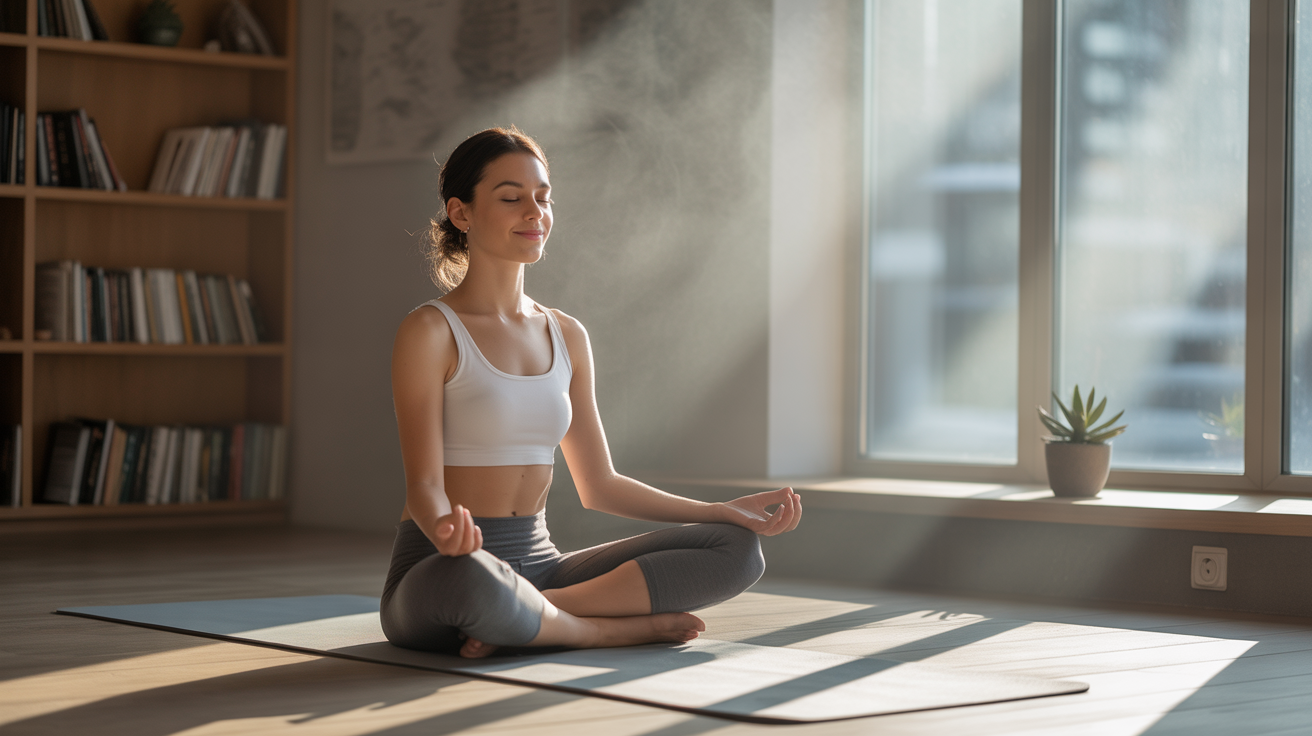

Breathwork techniques: A beginner’s guide to daily calm
In the hustle of modern life, finding moments of calm can feel like a challenge. Breathwork, the art and science of conscious breathing, offers a simple yet powerful path to inner peace and improved well-being. Whether you’re a yoga enthusiast, meditation learner, or simply someone seeking balance, mastering breathwork can transform your daily routine. This guide will walk you through fundamental breathwork techniques designed to reduce stress, enhance mental clarity, and support holistic health. By integrating these mindful practices into your day, you can cultivate a steady foundation of calm amidst life’s demands.
Understanding breathwork and its benefits


Breathwork refers to various breathing exercises aimed at influencing physical, mental, and emotional states. Unlike automatic breathing, conscious breathwork invites you to tune into breath patterns and adjust them intentionally.
Why practice breathwork?
- Reduces cortisol levels and eases stress
- Improves oxygenation and circulation
- Enhances focus and mindfulness
- Supports emotional balance and relaxation
- Complements yoga, meditation, and fitness routines
Scientific studies support these benefits, linking breath regulation to improvements in heart rate variability and decreased anxiety (see this study). For wellness seekers, breathwork is a versatile tool that nurtures both mind and body.
Essential breathwork techniques for beginners

Starting with simple practices ensures consistency and gradual progress. Here are four foundational breathwork methods you can try daily:
| Technique | Description | Benefits | How to practice |
|---|---|---|---|
| Diaphragmatic breathing (belly breathing) | Deep breathing that engages the diaphragm | Calms nervous system, reduces stress | Inhale deeply through nose, expand belly, exhale slowly |
| Box breathing | Equal phases of inhaling, holding, exhaling, holding | Improves focus, controls nervous response | Inhale 4 sec, hold 4 sec, exhale 4 sec, hold 4 sec; repeat |
| Alternate nostril breathing (Nadi Shodhana) | Breathing through one nostril at a time | Balances energy, soothes mind | Close right nostril, inhale left; switch; exhale right; repeat |
| 4-7-8 breath | Inhale for 4, hold 7, exhale for 8 seconds | Induces relaxation, aids sleep | Follow the count: inhale 4, hold 7, exhale 8 seconds |
Integrating breathwork into your daily routine
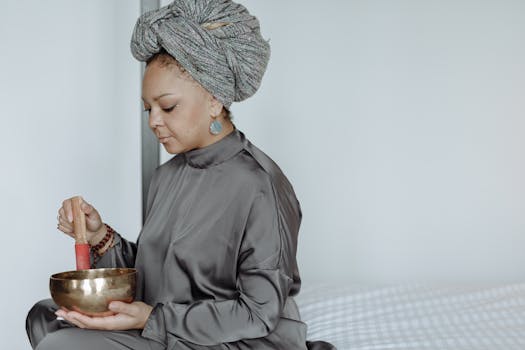
Consistency is key to reaping breathwork’s full benefits. Here’s how to incorporate these techniques naturally:
- Morning ritual: Begin your day with 5 minutes of diaphragmatic breathing to set a calm tone.
- Pre or post-workout: Use box breathing to center your focus before yoga or fitness sessions, or to relax afterwards.
- Midday reset: Practice alternate nostril breathing during breaks to rebalance and destress.
- Evening wind down: Try the 4-7-8 breath to help transition into restful sleep.
Consider pairing breathwork with meditation or gentle movement for enhanced mindfulness. Keep your practice brief and consistent — even a few minutes daily can make a significant difference.
Common challenges and how to overcome them

Beginners may face some obstacles, such as restless minds, impatience, or shallow breathing. Recognize these as normal and don’t judge yourself.
Tips to ease into breathwork:
- Start in a quiet, comfortable space to minimize distractions.
- Use guided breathwork audios or apps for structure (see Headspace breath exercises).
- Focus on the sensation of breath rather than controlling every inhale or exhale perfectly.
- Be patient; the calming effects often build cumulatively.
Remember that breathwork is a skill that improves with mindful repetition, much like yoga or meditation.
Conclusion
Breathwork is a profound and accessible practice for anyone seeking to reduce stress and cultivate holistic health. By understanding its benefits and starting with simple techniques such as diaphragmatic breathing, box breathing, alternate nostril breathing, and the 4-7-8 method, you can build a daily habit that nurtures calm, focus, and balance. Integrating breathwork into daily rituals—whether morning, midday, or evening—creates stable support for mental clarity and emotional resilience. Remember, challenges are part of the journey, and consistency will pave the way to mastery. Embrace your breath as a tool for self-care and discover the tranquility that lives within you.
For further exploration, visit resources like Breathing.com or the Yoga Journal’s breathwork guide.
“Feelings come and go like clouds in a windy sky. Conscious breathing is my anchor.” – Thich Nhat Hanh