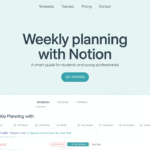
In today’s information-rich world, managing your learning efficiently can be a game-changer, whether you’re studying for exams, mastering a new skill, or building a successful remote career. A personal learning system is a customized framework designed to help you choose what, how, and when to learn – tailored specifically to your goals, preferences, and lifestyle. By building your own system, you take control and maximize results from your study sessions, online courses, and skill-building sprints. In this guide, you’ll learn the core steps for setting up a system that works, from goal-setting to productivity tools, perfect for students, professionals, remote workers, and lifelong learners alike.
Define your learning objectives and motivations
Before you sign up for another course or download a new app, it’s crucial to ask yourself what you truly want to achieve. Do you need to ace a certification exam, switch careers, or deepen your expertise in a niche field? Clear objectives will help you select materials, tools, and routines that match your aspirations.
- Set SMART goals: Make your learning goals Specific, Measurable, Achievable, Relevant, and Time-bound.
- Break large goals into actionable tasks: For example, instead of “learn Python,” set weekly milestones like “complete Python Basics on Codecademy” or “solve five algorithm problems every Saturday.”
- Understand your motivation: Are you motivated by curiosity, job prospects, or personal growth? Clarifying your why keeps you focused and resilient.
Curate high-quality learning resources


Once your objectives are set, the next step is to gather the right resources. The internet is flooded with online courses, YouTube tutorials, podcasts, and eBooks, but not all are equally effective. Choose resources that align with your goals and preferred learning style.
- Compare platforms: For example, Coursera and edX offer university-level content, while LinkedIn Learning and Udemy excel at professional upskilling.
- Verify credibility: Look for up-to-date material and check reviews or completion rates.
- Use content aggregators: Tools like Notion or Trello help organize your resources for quick retrieval.
Design an intentional learning routine


With resources at hand, structure your time to avoid overwhelm. Effective routines combine consistency, focused effort, and room for reflection. This is especially vital for busy students, remote professionals, or anyone balancing multiple commitments.
- Schedule deep work sessions: Block distraction-free slots (e.g., 25-50 minutes using the Pomodoro Technique) on your calendar for learning or practice.
- Mix learning methods: Combine reading, videos, active recall, group discussions, and hands-on projects to reinforce understanding.
- Track progress and reflect: Use simple spreadsheets, habit trackers, or apps like Notion to monitor completion and reflect on what’s working or needs adjusting.
| Method | Effectiveness (1-5) | Time Investment |
|---|---|---|
| Watching video lectures | 3 | Low |
| Doing practice problems | 5 | Medium |
| Group discussions | 4 | Medium |
| Teaching others | 5 | High |
Leverage technology and learning communities

Digital tools can transform your personal learning system into a powerful, adaptable workspace. Apps, browser extensions, and online networks make it easier than ever to stay productive and connect with like-minded learners.
- Productivity apps: Take notes with Notion or Evernote, schedule with Google Calendar, and automate tasks via Zapier.
- Community learning: Join Reddit forums (e.g., r/learnprogramming), Discord study groups, or local meetup events for support, accountability, and collaboration (see r/productivity).
- Stay up-to-date: Subscribe to newsletters, blogs, or follow curated YouTube channels for smart, ongoing learning.
Review, iterate, and sustain your system

Your personal learning system should evolve with your changing needs and experiences. Schedule regular reviews – monthly or quarterly – to evaluate your progress, refresh your goals, and replenish your resource stack. Don’t hesitate to experiment with new strategies or tools if you feel your system stagnating.
- Reflect on achievements: Celebrate wins, however small, to build motivation.
- Adjust plans: Tweak your schedule or switch up resources to address bottlenecks or loss of interest.
- Keep it flexible: Life changes, and so can your system. The most effective learners treat their personal learning as a lifelong, adaptable journey.
Conclusion
Crafting a personal learning system gives you an edge in a rapidly changing world—whether you’re a student, young professional, or a lifelong explorer. By clarifying your goals, selecting reliable resources, structuring routines, leveraging technology, and reviewing your process, you’ll consistently grow and overcome learning plateaus. Remember, no system is perfect from day one; what matters is your willingness to adapt, reflect, and stay curious. With persistence, your custom system will empower you to conquer new subjects, switch careers smoothly, and keep thriving in the digital age.
“Live as if you were to die tomorrow. Learn as if you were to live forever.” – Mahatma Gandhi