
The rise of creator-led brands in 2025
In 2025, the world of business is undergoing a huge shift as creator-led brands capture the spotlight, reshaping how products and culture collide. From TikTok stars to YouTube phenoms, social media creators are no longer just content producers—they’re entrepreneurs building authentic, accessible brands that resonate deeply with Gen Z and millennials. This article explores why creator-led brands are booming, how they’re transforming the e-commerce and cultural landscape, and what this means for fast-moving, FOMO-driven audiences eager to be part of the next big trend. If you’ve ever wondered how social media creators turn their personal vibes into thriving businesses, get ready to dive into this dynamic cultural shift.
Why creator-led brands are dominating 2025


Creator-led brands have exploded because they offer something traditional companies can’t: genuine connections. Audiences crave authenticity, and creators deliver it by sharing their values, lifestyle, and tastes directly. Instead of faceless corporations, these brands are built on personalities, stories, and communities, making each product feel exclusive and meaningful.
Data backs this trend: a 2024 Business Insider report shows over 60% of Gen Z prefer buying from brands with an influencer or creator they follow. This trust translates into higher engagement and sales, fueling growth that’s set to outpace traditional retail channels in 2025.
The power of personal branding and niche focus
Successful creator-led brands often speak to niche audiences, creating micro-communities united by interests or aesthetics. Whether it’s vegan skincare, gender-inclusive fashion, or retro streetwear, creators tailor their products with their followers in mind. This laser focus challenges the one-size-fits-all model of mass-market brands.
For example, creators like Emma Chamberlain leverage their unique voice and lifestyle to curate product lines that feel like extensions of themselves—not just business ventures. This personal branding strategy builds loyalty, as fans feel part of a shared culture, not just consumers.
Technology and social media: fueling the creator economy
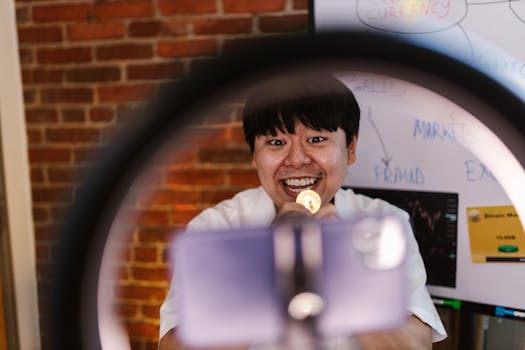
The rise of creator-led brands is tightly linked to advances in social commerce and creator monetization tools. Platforms like Instagram, TikTok, and Shopify have integrated seamless shopping experiences, making it easier than ever for creators to launch and scale products.
Take TikTok’s Creator Marketplace or Instagram’s Shops—these tools enable creators to convert viral content into direct sales instantly, capitalizing on FOMO-driven impulses. The streamlined process from discovery to purchase keeps momentum high in fast-moving digital cultures.
Below is a table illustrating key platform features empowering creator brands:
| Platform | Key feature | Impact on creator brands |
|---|---|---|
| TikTok | Creator Marketplace + In-app shopping | Viral product exposure and instant purchase |
| Instagram Shops + Affiliate tools | Seamless shopping and commission-driven collaborations | |
| Shopify | Creator storefront integrations | Easy brand launch, customization, and scalability |
Challenges and future outlook for creator-led brands
While creator brands are booming, challenges remain. Maintaining authenticity amid rapid growth is tricky—fans expect creators to stay “real,” but scaling manufacturing and logistics can introduce conflict. There’s also increased competition making it harder to stand out as more creators jump into entrepreneurship.
However, innovation continues to level the playing field. Augmented reality (AR) try-ons, sustainable production methods, and community-driven product development promise to keep creator brands fresh and relevant in 2025 and beyond.
Stay relevant by riding the cultural waves
For Gen Z and millennials, engaging with creator brands offers a way to participate in cultural movements, whether it’s sustainability, inclusivity, or creativity. These brands become a form of self-expression and social signaling, making them viral content gold and a source of cultural currency.
Conclusion
Creator-led brands in 2025 are not just a business trend—they represent a fundamental shift in how culture, commerce, and community collide. Fueled by authentic storytelling, niche focus, and powerful social commerce tools, creators have become the new brand builders shaping what we wear, consume, and celebrate.
As these brands grow, staying authentic while scaling will be critical to maintaining the trust of fast-moving, FOMO-driven generations that value connection above all. For those eager to stay relevant and be part of cultural shifts, watching creator-led brands offers a live snapshot of the future of retail and culture.
Want to dive deeper into this wave? Explore resources like Creator Handbook or Social Media Explorer for the latest insights on creator economy growth.
“The future belongs to those who build with their story, not just their product.”